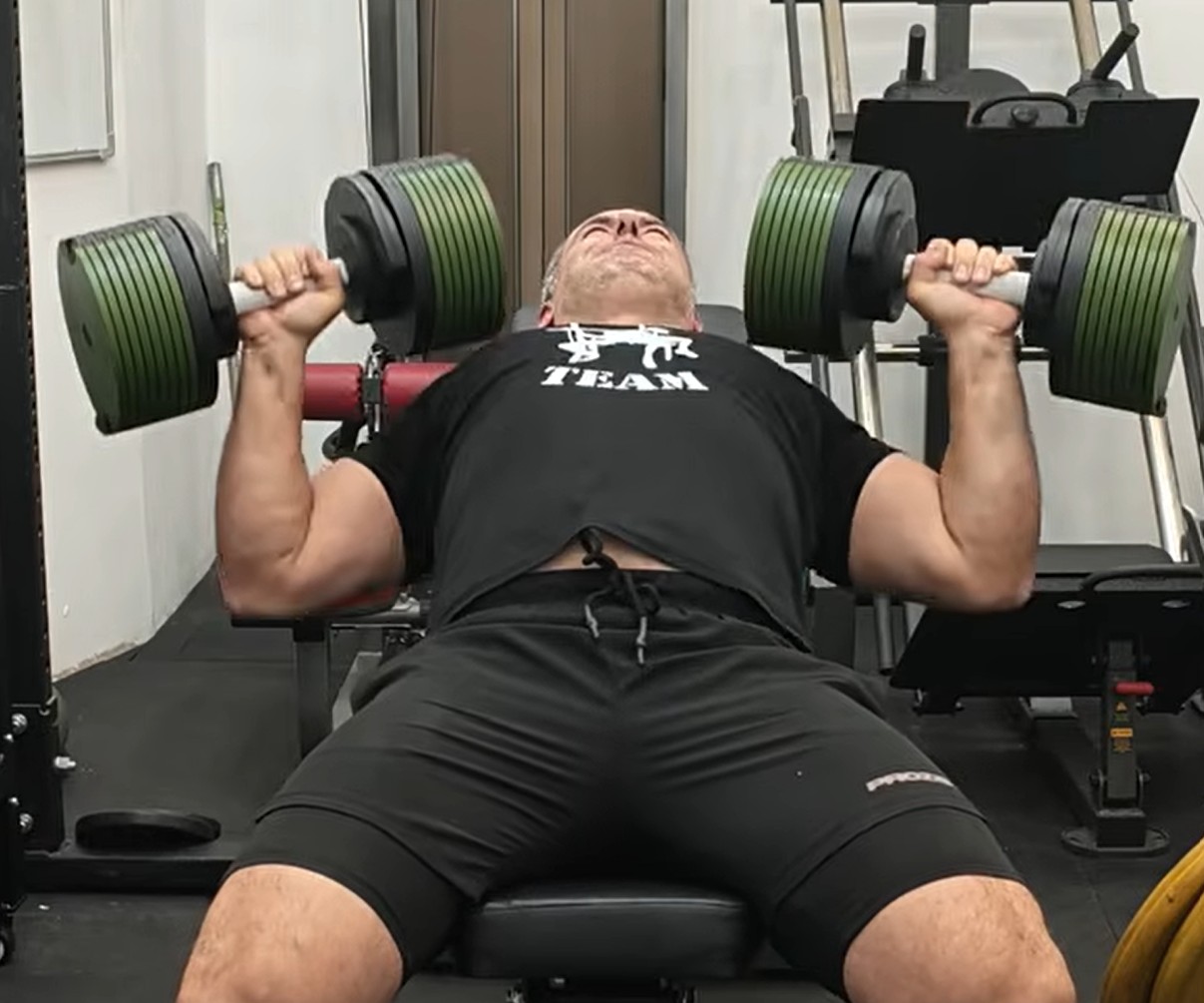
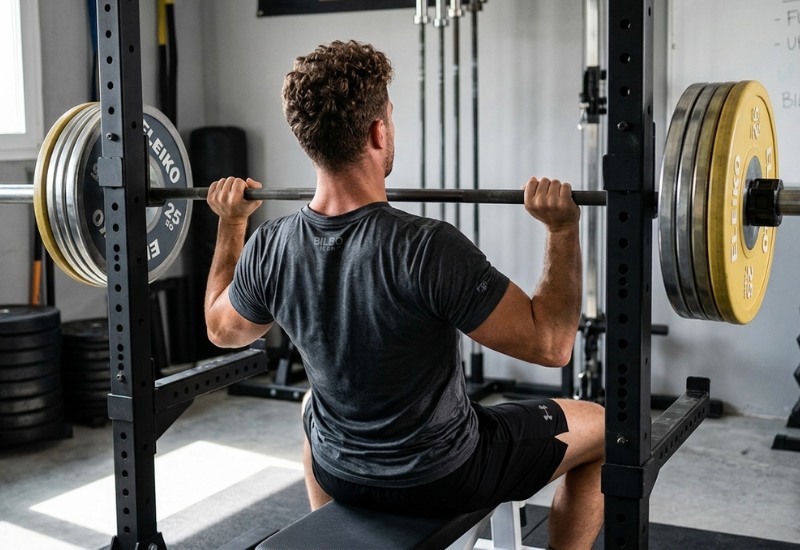
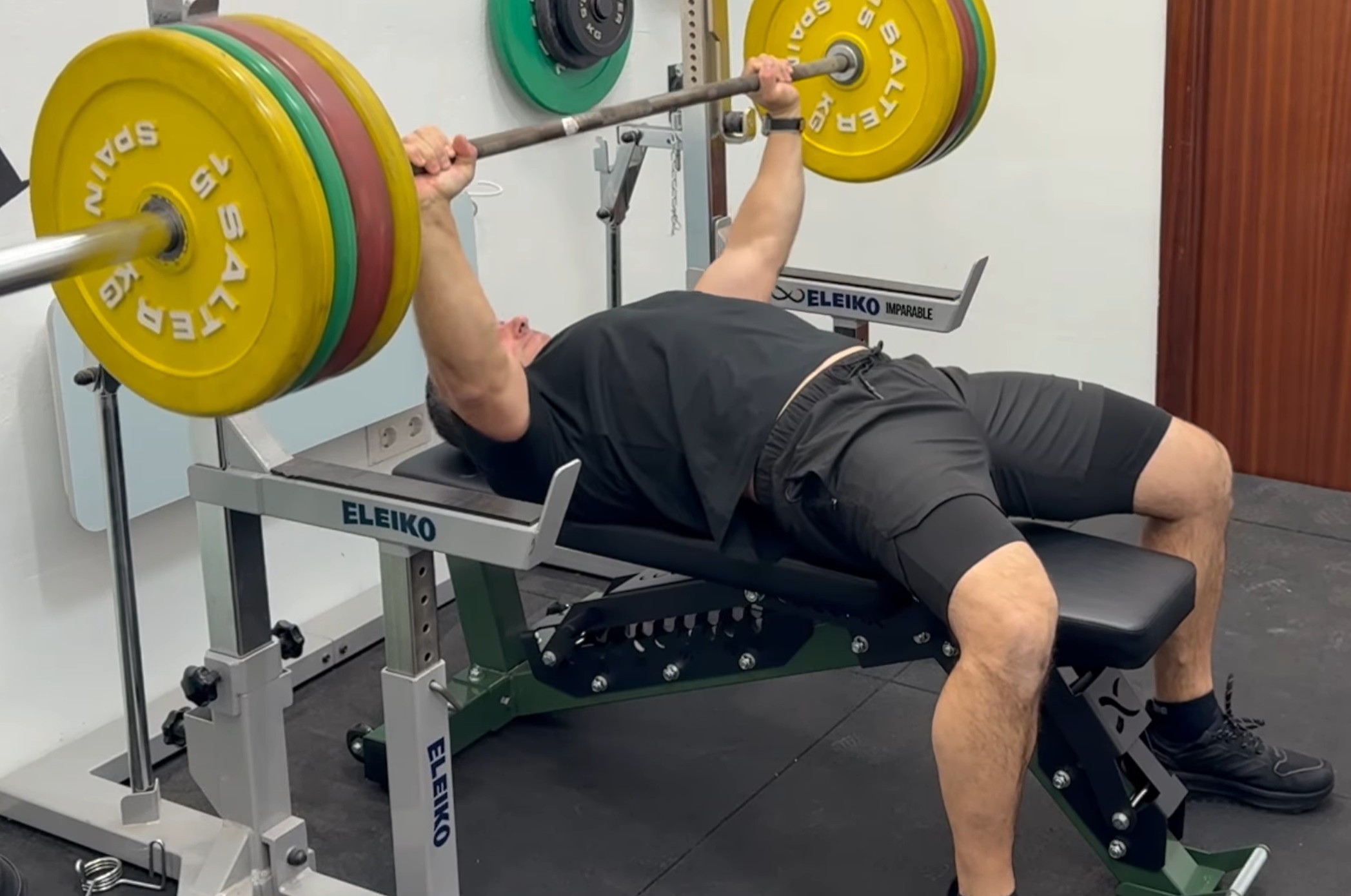
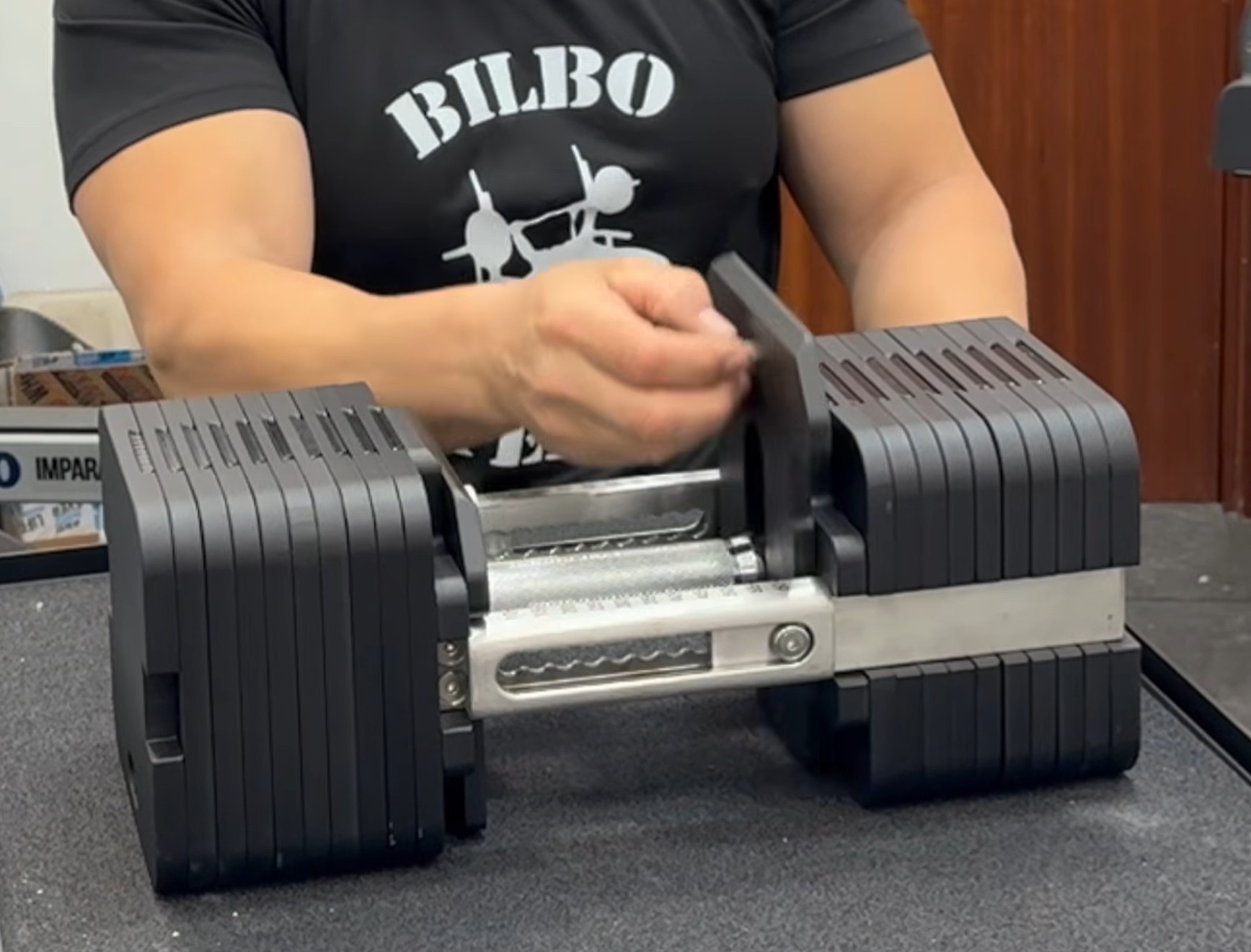
Training hard in the gym is a pleasure, but you get a sore wrist every time you grab the bar or the dumbbells, the experience becomes torture. The good thing is that most of the time the problem is not that you have “butter hands”, but in small details of technique and grip that make the difference.
In this article I tell you the most common causes of wrist pain in the gym, how to prevent it and the tricks that have worked for me to continue training without discomfort.
Wrist pain is often multifactorial, but there are very clear patterns:
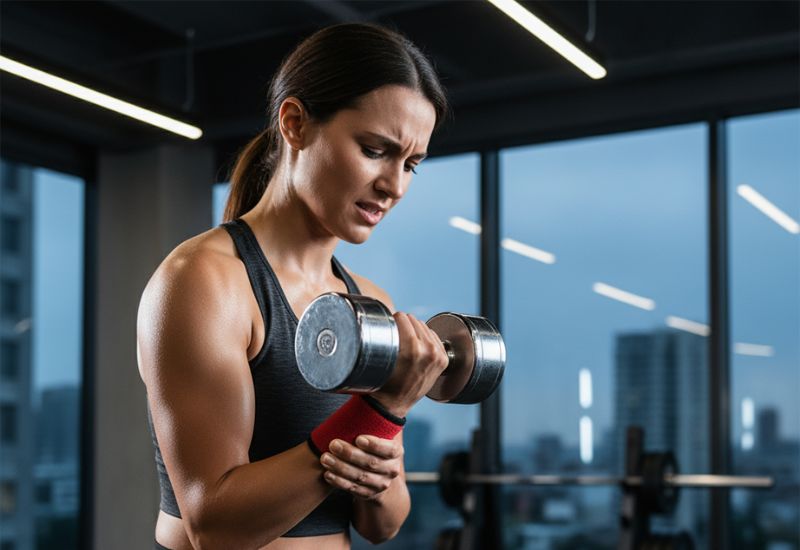
The good news is that with simple adjustments you can greatly reduce the risk of pain.
This is where the thing that saved my wrists comes into play.
The typical thin rubber band that you have forgotten in a drawer can become your best ally. Simply cut two pieces and roll them on the bar or dumbbell. The result: a firm grip that prevents slipping without changing the thickness.
In my experience, this simple solution allowed me to do bench presses and pull-ups without pain. I also recommend you to read the article 5 exercises with rubber bands to prevent injuries.
| Option | Pros | Cons |
|---|---|---|
| Gloves | Protect and cushion | Thickens the grip, less firm |
| Wristbands | Stabilize the joint | Do not prevent slippage |
| Pilates rubber bands | Improved grip without thickness | Need prior preparation |
Not everything is just a passing annoyance.
If the pain does not improve after 1-2 weeks of adjustments, it is advisable to visit a physiotherapist or sports doctor to rule out tendinitis or sprains.
Wrist pain in the gym is more common than it seems, but you don’t have to resign yourself to it. With proper technique, progressive strengthening and practical solutions such as the use of Pilates bands, you can keep training hard without your wrists holding you back.
In my case, going from using gloves to trying the rubbers was a radical change: better grip, more safety and zero pain. Try it and see how it changes your training.
Do you want to avoid injuries and improve your performance in the gym?
Check out our safe workout routines and learn how to strengthen your wrists and forearms correctly.
Is it normal for my wrists to hurt when doing weights?
It shouldn’t be. A slight initial discomfort may pass, but if it persists, something is wrong in technique, loading or material.
Which exercises are worse for the wrists?
Bench presses, straight bar curls and pull-ups tend to be the most problematic.
What to wear: gloves, wristbands or rubber bands?
It depends on your needs. If you are looking for a secure grip without altering biomechanics, rubbers are the most practical option.
How to differentiate a discomfort from an injury?
If the pain appears only during exercise and disappears quickly, it is discomfort. If it is maintained at rest or limits daily movements, it may be an injury.
How to avoid wrist pain in the gym?
Wrist pain in the gym is often due to poor grip, slippery bars or improper technique. To avoid this, keep your wrist aligned with your forearm, pre-stretch and strengthen the joint. An effective trick is to wrap the bar with Pilates rubber bands, which improve the grip without thickening it.
Watch my full video on how to avoid wrist pain when entering with weights.

Expert in strength training and physical tests for civil service candidates. With over 30 years of experience and multiple national and European records, he shares his methods to improve strength, endurance, and performance safely.