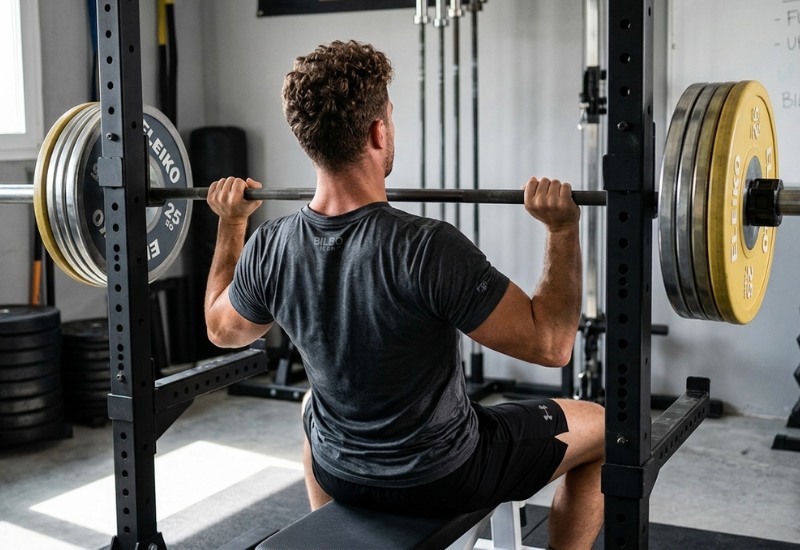
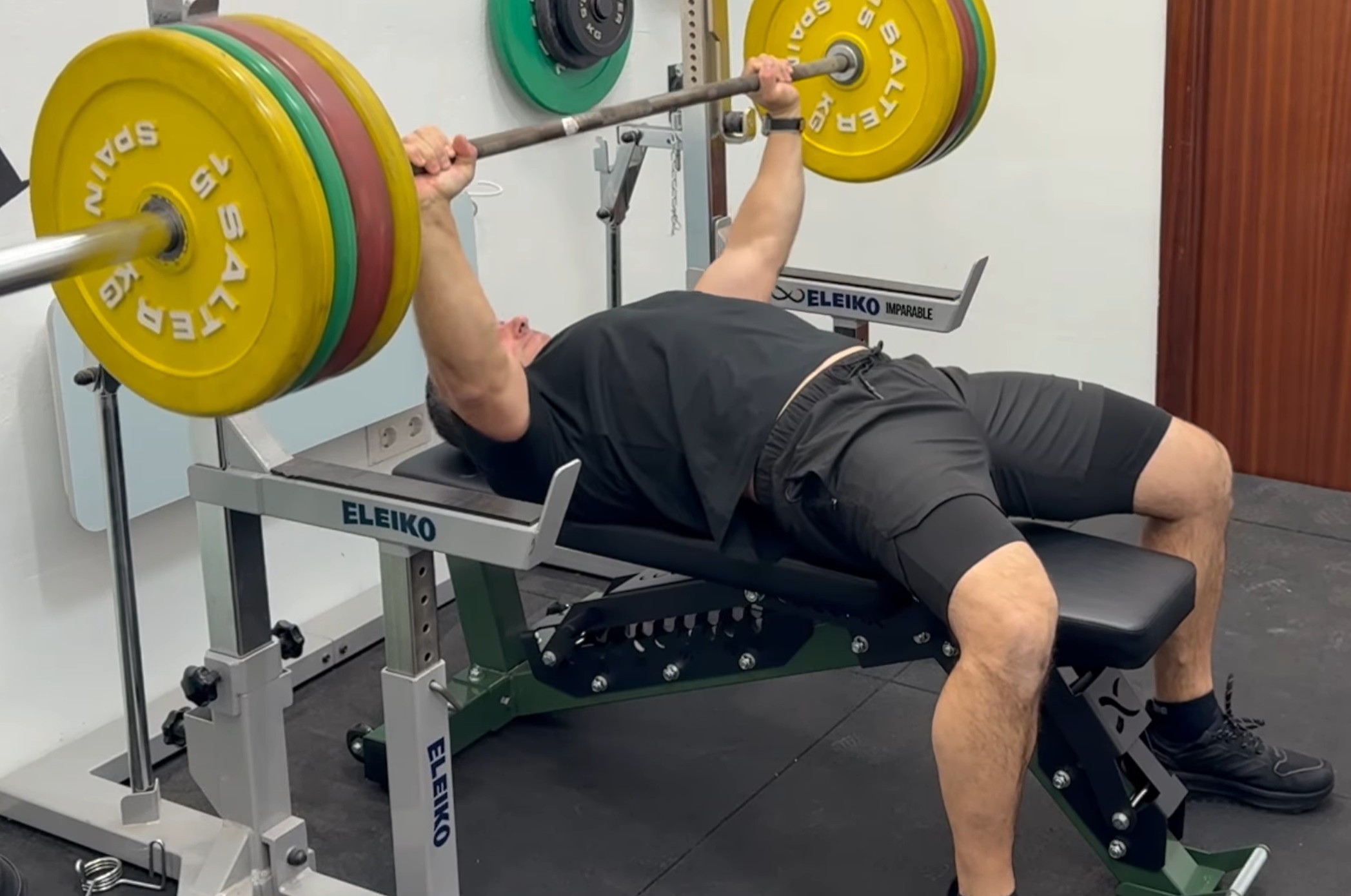
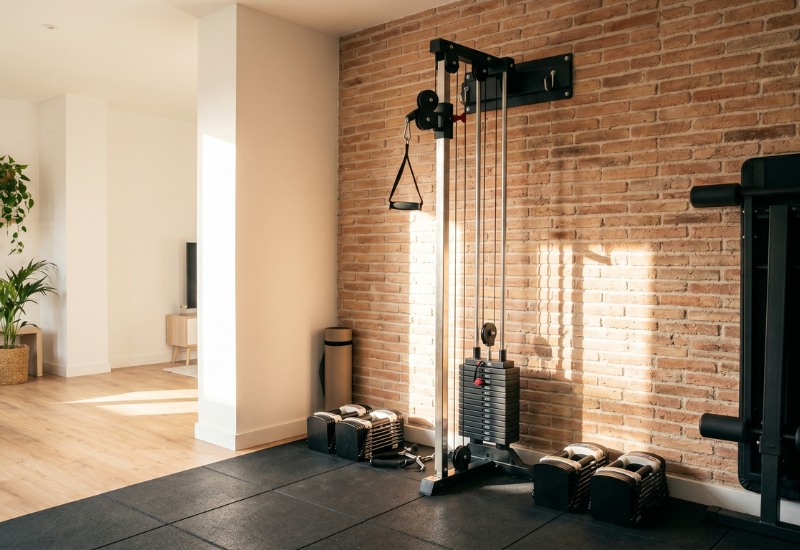
If you’ve ever walked into a CrossFit box or weightlifting area, you’ll have noticed that it looks like a rubber rainbow. But make no mistake: the choice of colored Olympic discs is not a matter of aesthetics or whether the gym owner has good taste in decoration.
In my experience touring different training centers, I have seen how color is the universal language that brings order to chaos. It doesn’t matter if you’re in Madrid, Tokyo or New York; if you see a red disc, you know exactly what you’re dealing with. In this article, we’ll break down why these colors are vital to your safety and performance.
Many people think that colors are just to make Instagram photos look better, but the reality is technical and normative. The main goal is instant identification.
The International Weightlifting Federation (IWF) sets the rules of the game. Thanks to this standardized and internationally recognizable code, judges, coaches and athletes can know how much weight is on the bar without having to get close to read the small numbers.
When I have to prepare a barbell for a heavy lift, I really appreciate not having to waste time looking for the engraving of the weight. For the colors of the discs to be valid, they have to follow this rule; otherwise, they are just painted plastic pieces that confuse people.
This is where we get down to business. If you want to move like a pro, you have to memorize this code. It’s the foundation of any serious strength training.
I have found that once you internalize this list, your training fluency improves dramatically. Here is the official standard that you will find in any level competition:
| Disk Color | Weight in Kilograms (kg) | Usual use |
| Red | 25 kg | Maximum lifts and squat bases. |
| Blue | 20 kg | The standard for basic exercises. |
| Yellow | 15 kg | The ideal “bridge” for strength progressions. |
| Green | 10 kg | Perfect for technique and warm-up sets. |
| White | 5 kg | Precise adjustments and basic technique. |
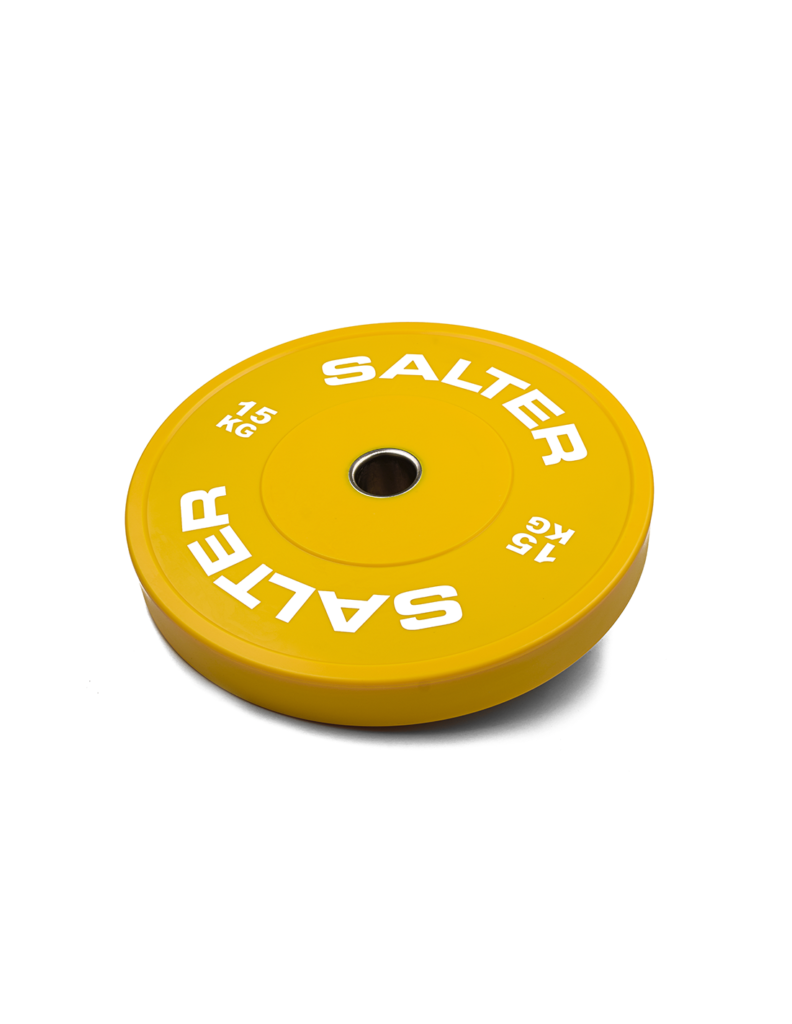
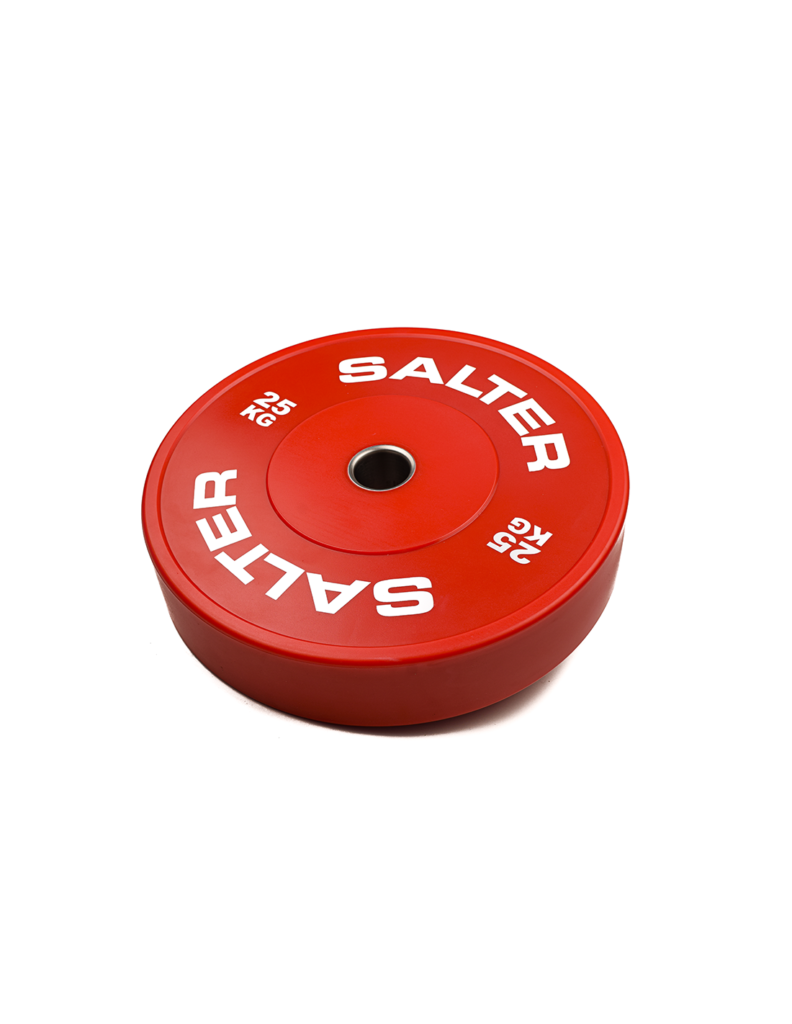
This color code allows athletes from all over the world to quickly identify the weight. In my case, I always recommend starting by buying the blue and red ones if you are going to set up a home gym, as they are the ones that will give you the most play in the long run.
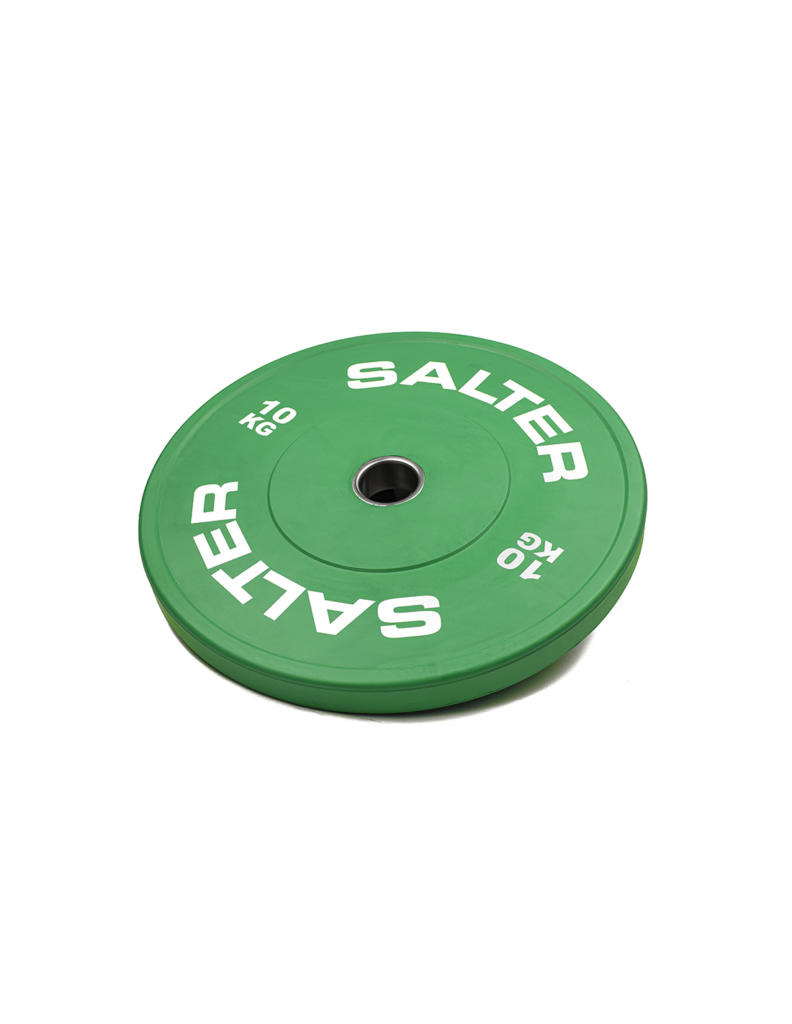
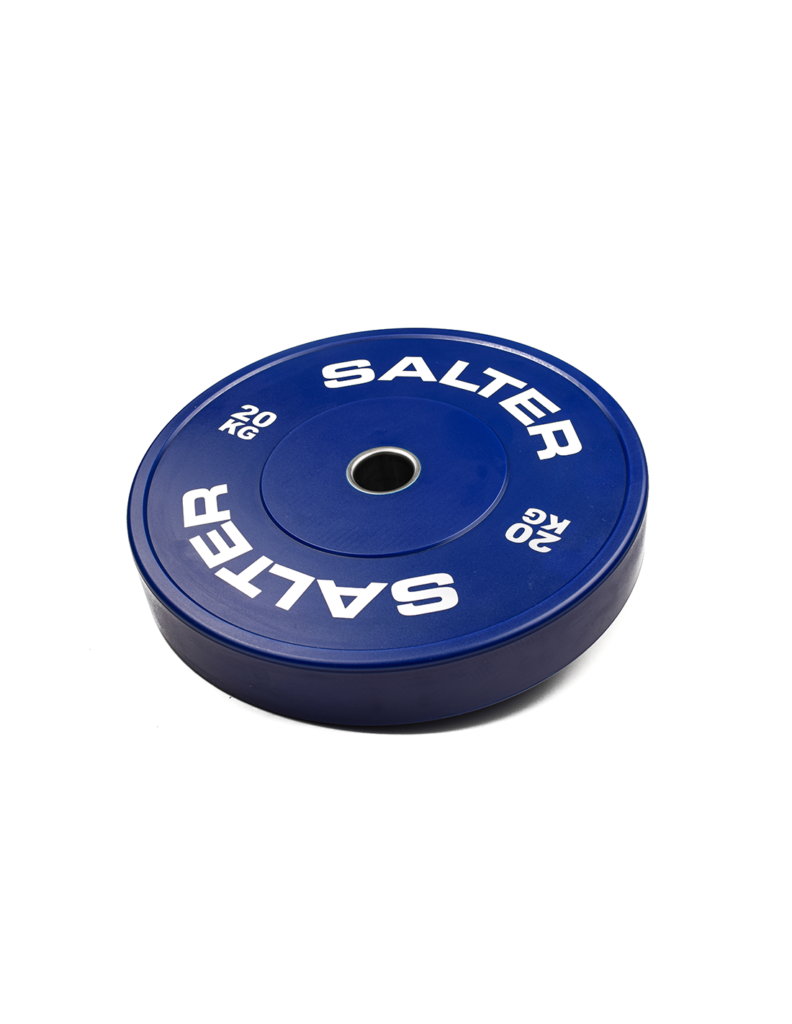
Although the IWF standard is strictly in kilograms, in the world of CrossFit and American Powerlifting, colored discs are manufactured that “translate” these weights into the imperial system.
In many boxes you will see that the discs keep the color but adjust their weight to the pound system. It is important not to confuse them, as a 20 kg blue puck weighs 44 lb, while the standard American blue puck weighs exactly 45 lb.
| Disk Color | Weight in Pounds (lb) | Approx. equivalent (kg) | Usage profile |
| Red | 55 lb | 24.9 kg | Maximum weights |
| Blue | 45 lb | 20.4 kg | The standard “large” disk |
| Yellow | 35 lb | 15.8 kg | Intermediate weight |
| Green | 25 lb | 11.3 kg | The favorite for repetition WODs |
| White | 10 lb | 4.5 kg | Technique and low weights |
Watch out for mixing: In my experience, the biggest mistake you can make is mixing kilogram and pound discs on the same bar. Even if the colors match, that small difference in grams (for example, the 400-gram difference between a 20 kg blue disc and a 45 lb blue disc can throw your lift off balance and lead to a shoulder or back injury. If you start in pounds, finish in pounds.
Fraction discs: What about small weights?
Below 5 kg (white), we enter the territory of fractional discs. These are usually smaller and metallic or rubber-coated, also following a pattern (sometimes gray for 2.5 kg, or more varied colors for 1 kg or 0.5 kg). They are the ones that allow you to beat your personal records (PR) gram by gram.
Based on the current catalog and the reliability of the brands, most of you are a perfect fit for the catalog of products distributed by FitnessDigital.
If you have decided to buy weight discs, I bring you an extra help. You can use the BILBOTEAM5 coupon at FitnessDigital to get an additional discount on your purchase.
The best thing is that this coupon is usually cumulative to the offers they already have on the web, so it is the best way to stretch your budget.
:root { –primary-color: #2c3e50; –accent-blue: #3498db; –accent-orange: #f39c12; –bg-light: #f8fafc; –border-color: #e2e8f0; } .container-discos { font-family: ‘Segoe UI’, system-ui, -apple-system, sans-serif; color: #334155; max-width: 1000px; margin: auto; } /* Estilo Tabla Desktop */ .tabla-smart { width: 100%; border-collapse: collapse; background: white; border-radius: 12px; overflow: hidden; box-shadow: 0 4px 15px rgba(0,0,0,0.05); margin-bottom: 20px; } .tabla-smart thead { background-color: var(–primary-color); color: white; } .tabla-smart th { padding: 16px; text-align: left; font-size: 14px; text-transform: uppercase; letter-spacing: 1px; } .tabla-smart td { padding: 16px; border-bottom: 1px solid var(–border-color); vertical-align: middle; font-size: 15px; } /* Botones */ .btn-container { display: flex; flex-direction: column; gap: 6px; margin-top: 8px; } .link-btn { display: inline-block; text-align: center; padding: 8px 12px; border-radius: 6px; text-decoration: none !important; font-weight: 600; font-size: 13px; transition: transform 0.2s, opacity 0.2s; color: white !important; } .link-btn:hover { transform: translateY(-1px); opacity: 0.9; } .t-amz { background-color: var(–accent-orange); } /* ETIQUETAS */ .label-mobile { display: none; font-weight: bold; color: var(–primary-color); text-transform: uppercase; font-size: 11px; margin-bottom: 4px; } /* RESPONSIVE */ @media screen and (max-width: 768px) { .tabla-smart, .tabla-smart thead, .tabla-smart tbody, .tabla-smart th, .tabla-smart td, .tabla-smart tr { display: block; } .tabla-smart thead { display: none; } .tabla-smart tr { margin-bottom: 20px; border: 1px solid var(–border-color); border-radius: 12px; padding: 15px; background: #fff; box-shadow: 0 2px 8px rgba(0,0,0,0.05); } .tabla-smart td { border: none; padding: 8px 0; position: relative; } .tabla-smart td:first-child { background: var(–bg-light); display: inline-block; padding: 4px 10px; border-radius: 4px; font-weight: bold; } .label-mobile { display: block; } .btn-container { flex-direction: row; } .link-btn { flex: 1; } }| # | Modelo y Compra | Uso Recomendado |
|---|---|---|
| 1 | Disco Bumper Color 10 kg – Verde | Uso RecomendadoDisco Olímpico Bumper Color Verde 10kg |
| 2 | Disco Bumper Color 15 kg – Amarillo | Uso RecomendadoDisco Olímpico Bumper Color Amarillo 15 kg |
| 3 | Disco Bumper Color 25 kg – Rojo | Uso RecomendadoDisco Olímpico Bumper Color Rojo 25 kg |
Although the black discs (the classic recycled rubber bumpers ) do the job and are usually less expensive, the colored ones offer competitive advantages that I have noticed after years of use.
Safety is non-negotiable. When you’re fatigued after an intense WOD, it’s easy to make miscalculations. More than once, I’ve seen someone load 5 kg too much on one side of the bar because they used black discs of similar thickness. With colors, that risk disappears: if one side is blue and the other is yellow, it’s obvious that something is wrong.
For gym owners, the colors make it easier for users to put the discs back in place. It’s much more intuitive to put “red on red”. In addition, colored discs are often made of virgin rubber or urethane, which gives them a more controlled bounce and a much longer life than the granulated rubber of basic black discs.
Not all green discs weigh the same or feel the same. Depending on your discipline, you will be interested in one material or another:
A color disc is a piece of engineering, but it has its natural enemies: magnesium, sweat and, above all, the sun. If you want your investment to last for years, it is not enough to just throw them on the ground.
I have seen magnesium eat the shine off the nicest discs in a matter of months. The white powder gets into the pores of the rubber and dries it out. In my experience, the best thing to do is to wipe with a slightly damp microfiber cloth at the end of each session. You don’t need harsh chemicals; in fact, they can actually break down the rubber.
When I started this, I made the mistake of leaving my discs near a window where they were in direct sunlight. The result: the red turned to a pale pink in one summer. Urethane resists UV light better, but virgin rubber needs to “breathe”. I always say that a clean disc lasts twice as long, so I recommend using a pure silicone spray (without solvents) applied on a rag to rub the faces of the disc from time to time. You will see how the color recovers its original intensity instantly.
Not for home use, but for any official competition under the umbrella of the IWF or Powerlifting federations (although in Powerlifting the code may vary slightly in sizes).
Being the thinnest of the “big” ones, they suffer a lot if you drop them on the bar on their own. My advice: try not to drop the bar if you only have the 10kg greens on, unless they are high density.
It is the ability of the disc to absorb the impact and not bounce uncontrollably. A high quality color disc usually has a “dead” or very low rebound, which is much safer for you and the floor.
At the end of the day, iron weighs the same no matter what color it is, but having your gear sorted and knowing exactly what you’re carrying at a glance takes mental stress off your mind. When you’re about to get under the bar, your only concern should be squeezing and pushing with everything, not doing mathematical calculations by guessing thicknesses.
Investing in good color discs gives you that extra assurance that the bar is perfectly balanced.
For Physical ability tests: If you are preparing for preparing for the physical tests for the firefighter or police exams with the Bilbo Method with the Bilbo Method, as we increase the weight in each Bilbo Set it is especially useful to use the color-coded discs to correctly load the bar.
The important thing is that these reds and blues do not collect dust and rise and fall without rest.
👉🏻 Find out how the science backs my system and get started with our training plans today. training plans today..
Keep up the good workout, guys!

Expert in strength training and physical tests for civil service candidates. With over 30 years of experience and multiple national and European records, he shares his methods to improve strength, endurance, and performance safely.