If you train hard, deal with recurring muscle aches, or simply spend too many hours glued to an office chair, understanding the world of electrostimulators can be a real game-changer for your wellbeing. It’s not just about “giving you shocks”; it’s a precision tool that, used properly, becomes your pocket physiotherapist and personal trainer.
That said, remember recovery is only one leg of the stool. The best technology is useless if there isn’t a solid foundation behind it. If you want real results, the ideal is to combine these tools with rock-solid programming like what we follow in the Bilbo Method.
In simple terms, an electrostimulator is a device that sends gentle electrical impulses through the skin, using pads called electrodes, to trigger a muscle contraction or modulate how we perceive pain.
What the device does is “trick” the nervous system: instead of your brain sending the order to contract the biceps, the unit sends that electrical signal.
This process has three main goals that we need to be clear about from the start: physical preparation, post-workout recovery and pain relief (analgesia). In my experience, when you start using them, the first thing you notice is that it’s not an unpleasant feeling if the unit is good quality; it’s a tingling sensation you can control depending on the intensity you need at any given time.
It’s the most common mistake when buying. If you don’t understand this, you’ll waste your money:
Many of the current devices I recommend combine both modes, and also add massage programs that are absolutely brilliant for relaxing tight, overworked muscles.
To make it easier for you to choose, I’ve put together this table based on the models that truly deliver results and have solid support behind them:
If you’ve decided to take the leap and build your own iron temple, I’ve got a little extra help for you. You can use the coupon code BILBOTEAM5 at FitnessDigital to get an additional discount on your purchase.
The best thing is that this coupon is usually cumulative to the offers they already have on the web, so it is the best way to stretch your budget.
| # | Modelo y Compra | Perfil Recomendado | Clave Destacada |
|---|---|---|---|
| 1 | Compex SP 8.0 | PerfilDeportistas Pro (entreno diario) | ClaveGama alta wireless, máximo rendimiento. |
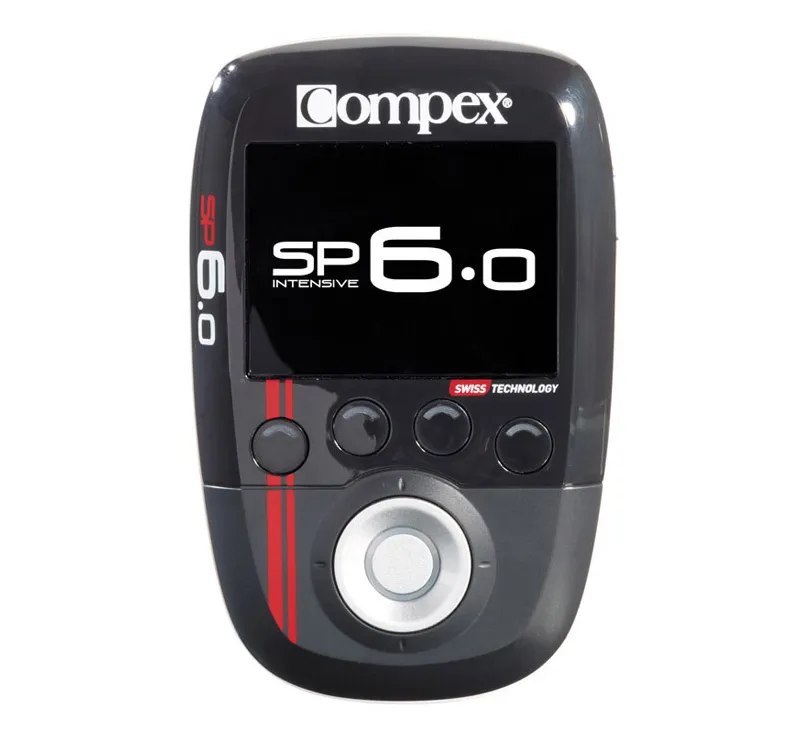
| 2 | Compex SP 6.0 | PerfilDeportistas constantes (3+ veces/semana) | ClaveInalámbrico, ideal para fuerza y resistencia. |
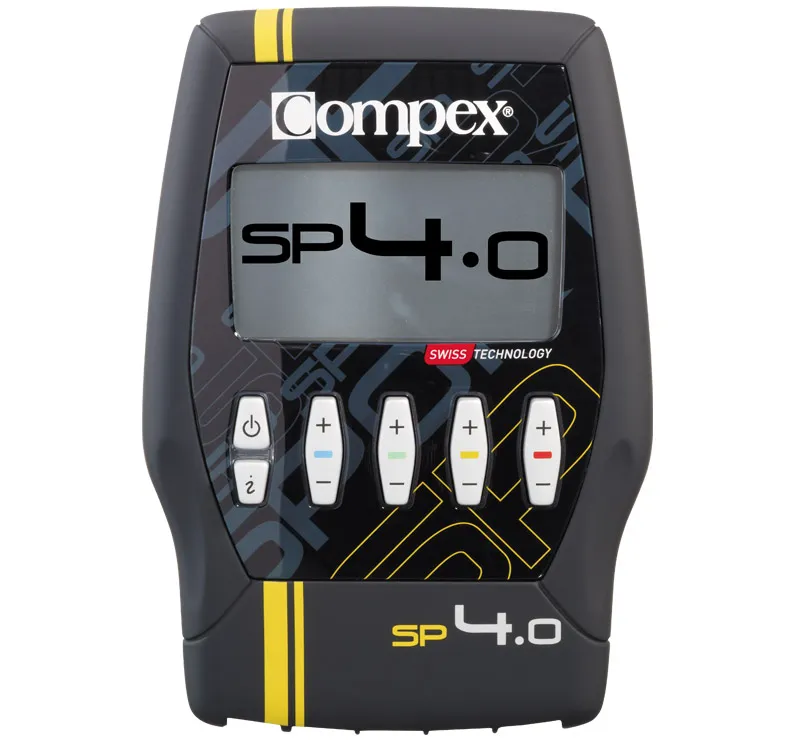
| 3 | Compex SP 4.0 | PerfilUsuarios avanzados / Rehabilitación | ClaveEspecialista en prevención de lesiones. |
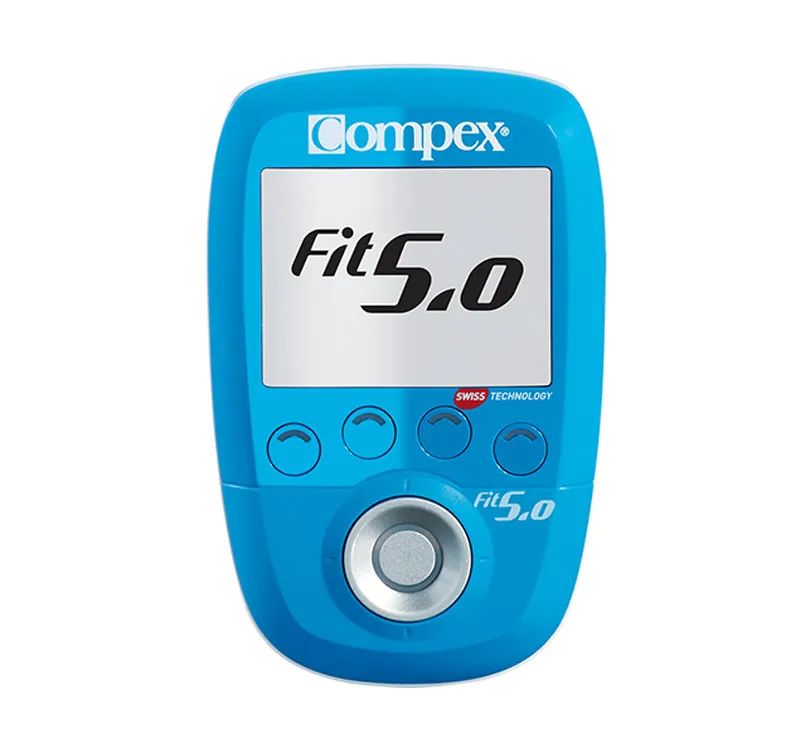
| 4 | Compex Fit 5.0 | PerfilFitness exigente | ClaveProgramas de tonificación y estética avanzada. |
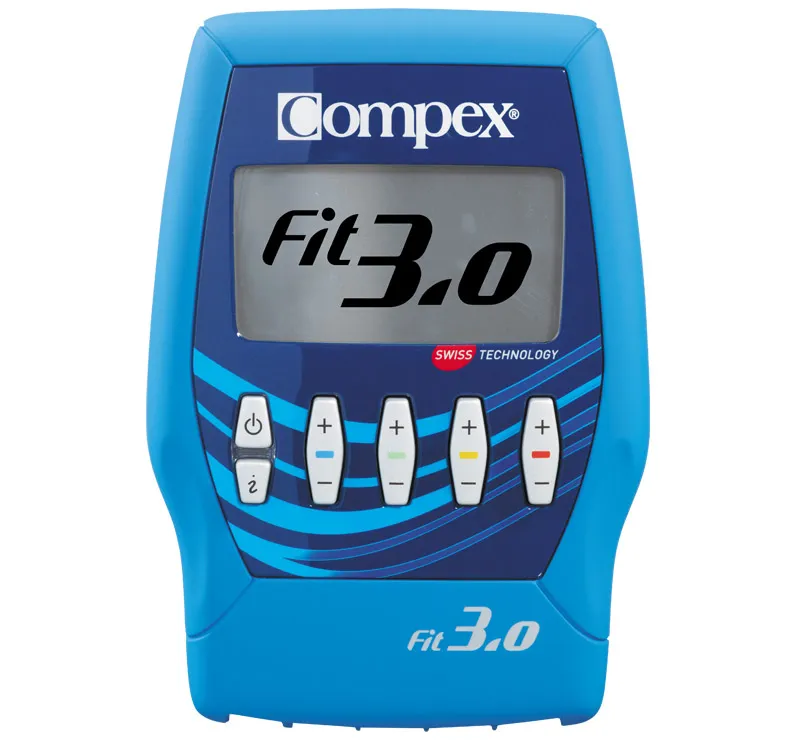
| 5 | Compex Fit 3.0 | PerfilFitness y alivio del dolor | ClaveEl equilibrio perfecto: tonifica y masajea. |
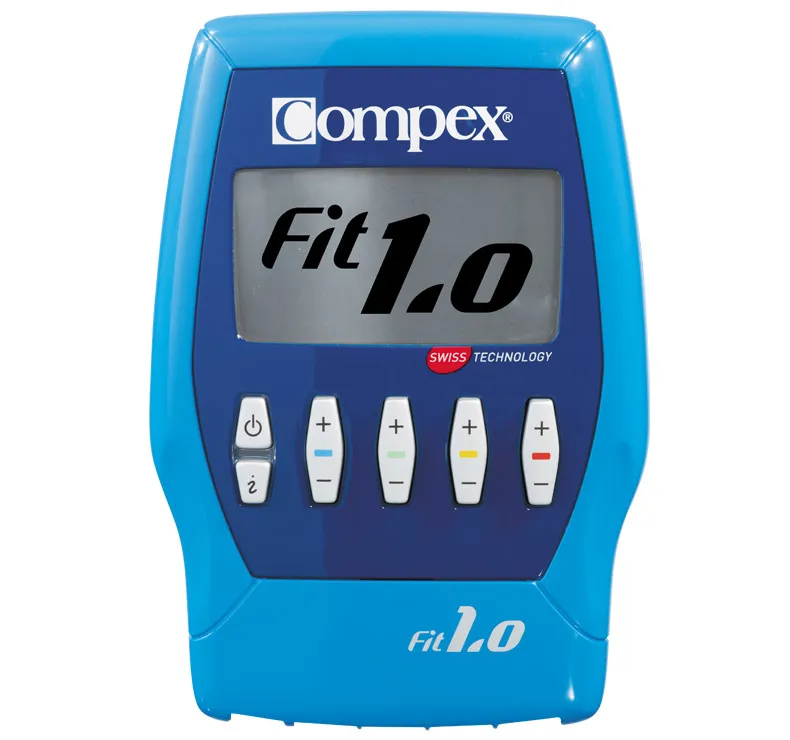
| 6 | Compex Fit 1.0 | PerfilPrincipiantes | ClaveEconómico, fácil de usar para fitness básico. |
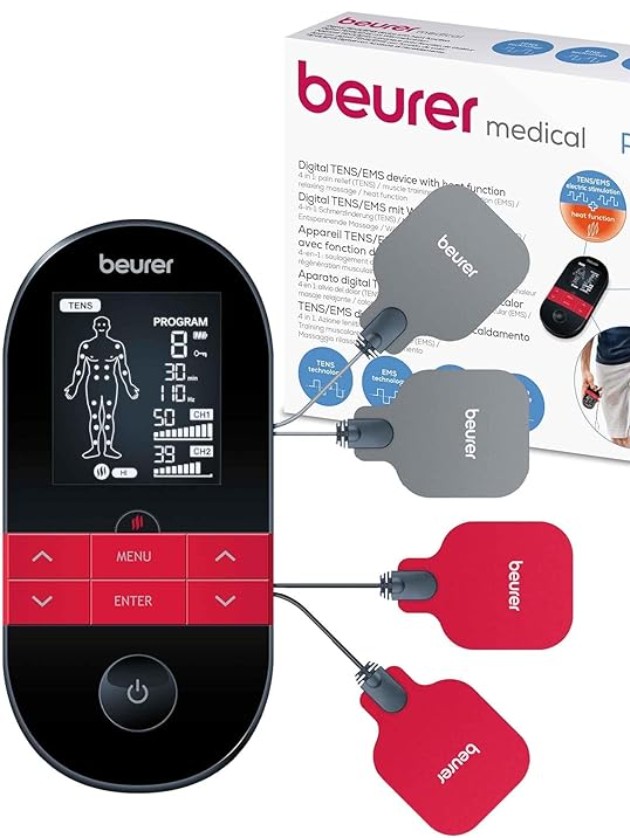
| 7 | Beurer EM 49 | PerfilPrioridad: alivio del dolor (Low-cost) | ClaveMuy económico, combina TENS/EMS y masaje. |
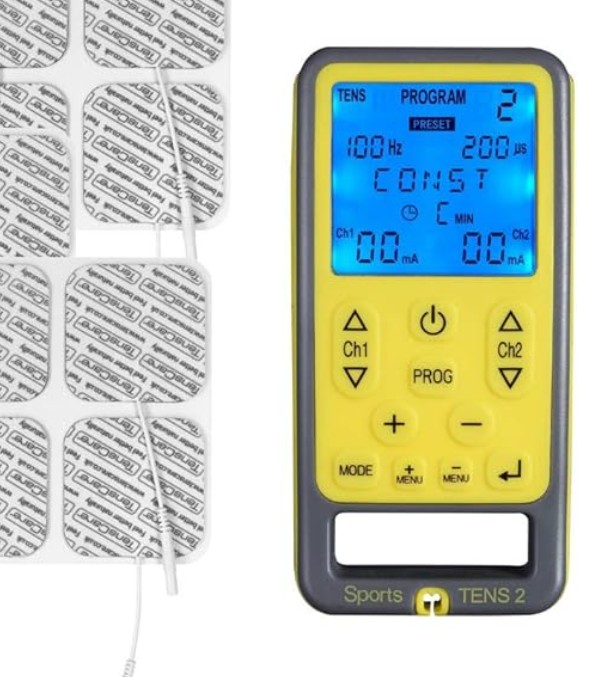
| 8 | TensCare Sports Tens 2+ | PerfilCalidad-precio para deportistas | Clave3 en 1 con 50 programas preconfigurados. |
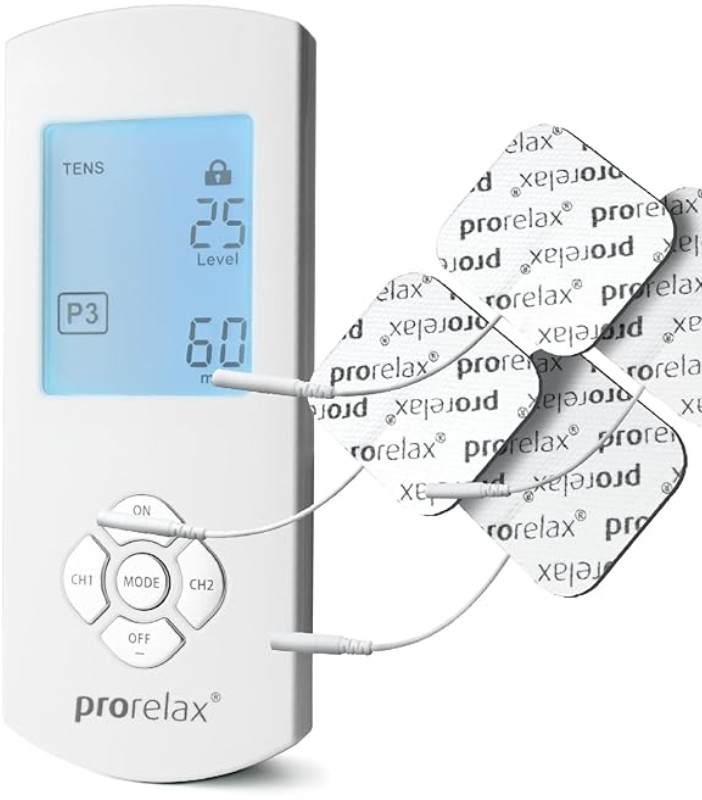
| 9 | Prorelax TENS/EMS | PerfilSimplicidad absoluta | ClaveDispositivo compacto para uso moderado. |
If you’re researching, the name Compex will pop up everywhere. It’s no coincidence; they’ve been the benchmark in the medical and sports sector for decades. Their units stand out for the precision of the impulse (what they call “stimulation comfort”) and for having very clearly defined ranges: Sport, Fit and Health.
What I value most about this brand is its versatility. I’ve seen their units both in elite clinics and in the living room of someone who just wants to tone their glutes or ease lower back pain. Plus, their presence on Amazon and specialist stores makes it very easy to find replacement pads, which is vital in the long run.
Not everyone needs a €500 device, but I do think it’s a smart investment for very specific profiles. I’ve found it’s especially interesting if you’re in one of these groups:

Before you jump on that deal you’ve seen, go over these technical points that often get overlooked:
Most commonly, you’ll find units with 2 or 4 channels. Why does it matter? Because with 4 channels you can work both legs at the same time or your whole back in one go. In my case, I always recommend going for 4 channels if your budget allows it; you save half the time.
Another critical aspect is the power supply. Stay away from models that only run on disposable batteries if you plan to use it often. Rechargeable batteries are much more convenient and powerful. Also, make sure the unit includes a clear guide for electrode placement; placing the pad one centimetre higher or lower can completely change how effective the session is.
No. You should feel a strong contraction, but never pain. If it hurts, lower the intensity or check whether the pads are worn out.
It’s a supplement, not a replacement. It helps with toning and strength gains, but for real hypertrophy you need to move external loads and follow an appropriate diet.
It depends on care and skin type, but they usually last between 15 and 30 sessions. A tip: keep the pads in the fridge so the gel stays hydrated for longer.
As I always tell you, an electrostimulator is a seriously powerful support tool, but real muscle and strength are built by moving iron with serious programming. Bottom line: the electrostimulator will help you recover, but muscle is built with the Bilbo Method.
👉🏻 Find out how the science backs my system and get started with our training plans today. training plans today..

Expert in strength training and physical tests for civil service candidates. With over 30 years of experience and multiple national and European records, he shares his methods to improve strength, endurance, and performance safely.